Expert Parotid Tumour Consultant in London
Mr Axel Sahovaler offers specialist diagnosis and treatment for parotid tumours in London. The parotid glands are the largest salivary glands, located just in front of the ears, and can develop both benign and malignant tumours.
Mr Sahovaler is an experienced consultant head and neck surgeon, we offer expert surgical treatment with a strong focus on preserving facial nerve function and achieving optimal cosmetic outcomes.
If you have noticed a lump near your jaw or in front of your ear, specialist assessment is important to determine the cause.
What Are Parotid Tumours?
Parotid tumours are abnormal growths that develop within the parotid salivary gland. Around 75–80% of parotid tumours are benign (non-cancerous), but some can be malignant (cancerous).
Common symptoms may include:
• A painless lump in front of or below the ear
• Swelling near the jaw
• Facial weakness (rare but concerning)
• Pain in the area of the gland
Although many tumours are benign, accurate diagnosis is essential to guide appropriate treatment.
What Are the Symptoms of a Parotid Gland Tumour?
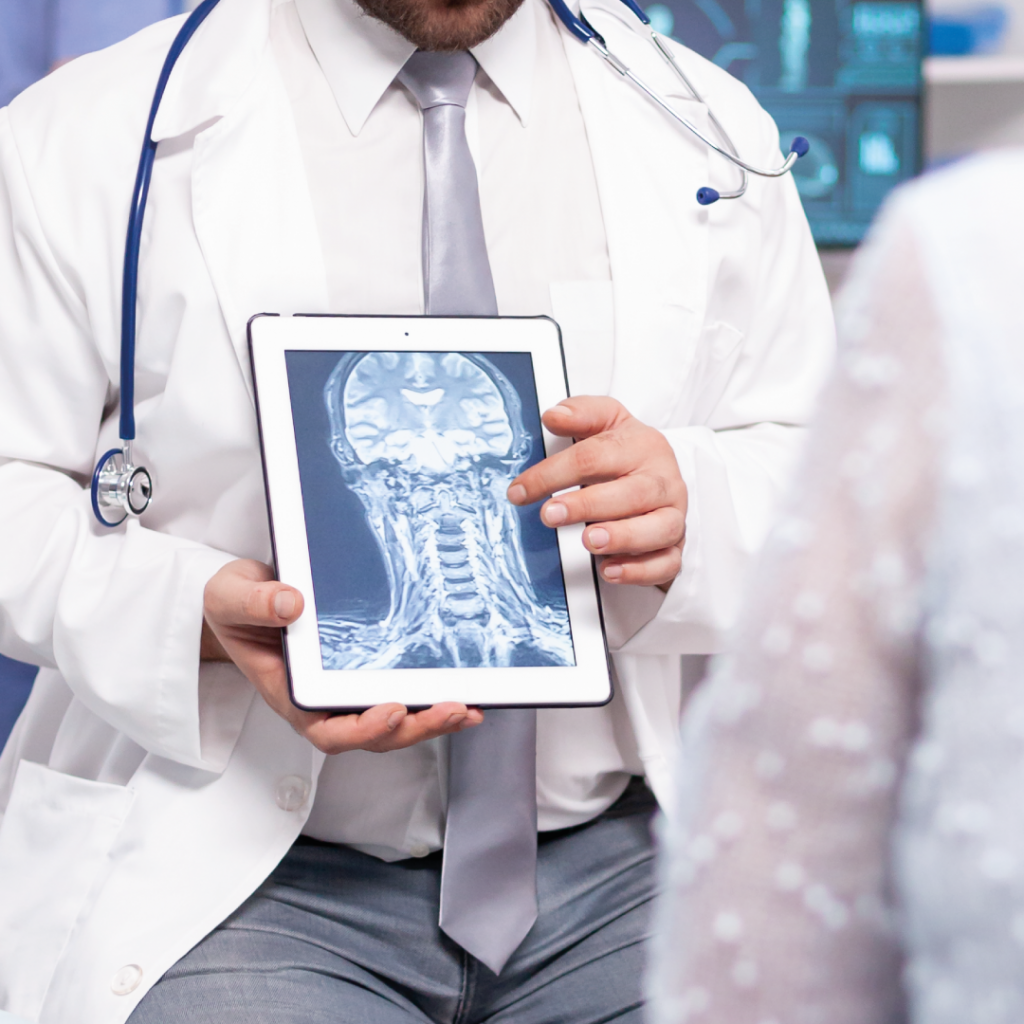
The most common symptom of a parotid tumour is a painless lump in front of or just below the ear. Some patients may notice swelling near the jawline or a gradual increase in size over time. Facial weakness is uncommon but can be a more concerning sign that requires urgent specialist evaluation. Any persistent lump in this region should be assessed to determine whether treatment is required.
How Is a Parotid Tumour Diagnosed?
Diagnosis begins with a detailed head and neck examination during your consultation. Imaging such as ultrasound or MRI is typically arranged to assess the size and depth of the tumour.
A fine needle aspiration (FNA) biopsy may be performed to analyse cells from the lump. These investigations allow your London consultant to determine whether the tumour is benign or malignant and to plan appropriate surgical treatment.
Mr. Axel Sahovaler
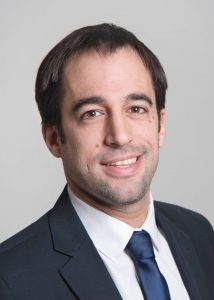
Axel has a unique combination of training and practice in North America, working in very high-volume academic head and neck surgery centers. He has since moved to London, where he has formed a team with Professor Mark McGurk, perfecting minimally invasive techniques in salivary gland surgery. His independent practice is at London Bridge Hospital and his NHS base is at University College London Hospital where his research and teaching take place.
The Surgical Process
Pre-operative Planning
Pre-operative planning for parotid tumours involves detailed imaging such as MRI and CT scans to assess the size, location and extent of the tumour. Imaging helps identify involvement of the facial nerve, nearby muscles and surrounding structures.
In some complex cases, 3D imaging and virtual surgical planning may be used to improve precision, especially if reconstruction is required. A fine needle aspiration (FNA) or core biopsy is often carried out before surgery to help confirm the diagnosis.
Your consultant will explain the type of parotidectomy planned, the risks including potential facial weakness, and what to expect during recovery.
During Surgery
During surgery, the tumour is removed through a procedure called a parotidectomy.
This may be a superficial parotidectomy, where only the outer portion of the gland is removed, or a total parotidectomy if the deeper lobe is affected. A careful incision is usually made in front of the ear and may extend into the neck crease to minimise visible scarring.
The facial nerve is identified and preserved wherever possible, as it controls facial movement.
If the tumour involves the nerve, part of the nerve may need to be removed and reconstructed. If cancer has spread to nearby lymph nodes, a neck dissection may also be performed.
In selected cases where a large defect remains, reconstructive techniques using local tissue, fat grafts or free flaps may be required to restore facial contour.
Recovery
After surgery, patients usually stay in hospital for one to three days for monitoring. A surgical drain may be placed temporarily to prevent fluid build-up.
Recovery focuses on wound healing, pain management and monitoring facial nerve function. Mild swelling and bruising are common in the first few weeks. Some patients experience temporary facial weakness or numbness, which often improves over time.
If there are speech, chewing or swallowing difficulties, referral to specialist therapy may be arranged. Follow-up appointments are scheduled to review healing and discuss pathology results, and further treatment such as radiotherapy may be recommended if the tumour is malignant.
For more information and enquiries
What Is the Treatment for a Parotid Tumour?
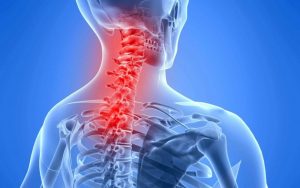
The primary treatment for most parotid tumours is surgical removal, known as a parotidectomy.
How Is the Facial Nerve Protected During Parotid Surgery?
The facial nerve runs directly through the parotid gland and controls movement of the face. During parotid gland surgery, meticulous dissection techniques are used to identify and preserve this nerve. In the hands of an experienced consultant head and neck surgeon in London, the risk of permanent facial weakness is low. In rare cases where the nerve is affected by cancer, reconstructive techniques may be considered.
What Happens If the Parotid Tumour Is Cancerous?
If the tumour is confirmed to be malignant, further treatment may be required. This can include additional surgery, neck dissection, radiotherapy or multidisciplinary oncology input. Early-stage salivary gland cancers often respond very well to prompt, specialist-led treatment, highlighting the importance of early diagnosis.
Patient Experience and Testimonials
Many patients come to us with complex head and neck problems, and their feedback highlights our commitment to compassionate care and excellent outcomes. Patients consistently describe the reassurance, clear treatment explanations and personalised attention they receive throughout their surgical journey.
Parotid & Neck Cancer Surgery - Full Facial Nerve Preservation
JB
London, UK
Life-Changing Support & Restored Hope
MB
London, UK
Oral Cancer Surgery for Our Son
IH & KH
London, UK
Mandibular Reconstruction - Family Testimonial
DK
London, UK
Compassionate Care Before & After Surgery
SS
London, UK
Surgical Oncologist – Precision, Reassurance & Excellent Outcomes
DH
London, UK
How Do I Book a Consultation for Parotid Tumour Treatment in London?
If you have noticed a lump near your ear or jaw, early specialist assessment provides clarity and reassurance. Booking a private consultation allows for detailed examination, imaging and personalised treatment planning.
Contact Axel Head and Neck today to arrange your consultation with an experienced London head and neck surgery consultant.
Explore Our Specialist Head and Neck Treatments in London
At Axel Head and Neck, we provide a comprehensive range of specialist head and neck treatments in London, delivered by an experienced consultant surgeon with advanced training in oncology and reconstructive surgery.
Our related treatment pages include:
Head and Neck Surgery
Comprehensive surgical treatment for head and neck cancer, neck lumps, salivary gland disorders and complex reconstructive needs. Learn more about our specialist consultant-led surgical care in London.
Sentinel Lymph Node Biopsy
A minimally invasive procedure used in early head and neck cancer staging to assess lymph node spread and guide further treatment decisions.
Reconstructive Microsurgery
Advanced free flap reconstruction for complex head and neck defects following cancer surgery or trauma, restoring function and appearance.
Mandibular Reconstruction
Specialist jaw reconstruction surgery to restore speech, chewing and facial symmetry after mandibular tumour removal or bone loss.
Oral Cavity Lesions
Expert assessment, biopsy and treatment of mouth ulcers, leukoplakia and early oral cancer by a London head and neck consultant.
Parotid Tumour Treatment
Specialist diagnosis and parotidectomy surgery for benign and malignant salivary gland tumours, with careful facial nerve preservation.
Frequently Asked Questions
Are most parotid tumours benign?
Yes. The majority of parotid tumours are non-cancerous. However, proper imaging and biopsy are required to confirm the diagnosis and guide treatment.
Is parotidectomy a major operation?
Parotidectomy is considered specialised head and neck surgery, but when performed by an experienced consultant, it is a safe and routine procedure with careful facial nerve monitoring.
How long is recovery after parotid gland surgery?
Most patients stay in hospital briefly and return to normal activities within a few weeks, depending on the extent of surgery.
Will I have a visible scar?
Incisions are carefully placed along natural skin creases to reduce visible scarring. Over time, scars typically fade significantly.
Can a parotid tumour come back?
Recurrence is uncommon when a benign tumour is completely removed. Malignant tumours require careful follow-up to monitor for recurrence.
Is private parotid tumour treatment available in London?
Yes. Specialist diagnosis and surgical treatment are available in leading private London hospitals under the care of a consultant head and neck surgeon.