
Expert Reconstructive Microsurgery Consultant in London
Mr Axel Sahovaler offers advanced reconstructive microsurgery in London for patients requiring complex restoration following head and neck cancer treatment, trauma, or major surgery.
Mr Sahovaler is an experienced consultant head and neck surgeon with specialist international fellowship training in microsurgical reconstruction, we deliver highly precise surgical treatment designed to restore both function and appearance.
Our goal is not only to remove disease, but to rebuild form, speech, swallowing and quality of life.
What is Reconstructive Microsurgery?
Reconstructive microsurgery is a highly specialised surgical technique used to rebuild areas of the head and neck after tumour removal, injury or congenital abnormalities.
Using a microscope and delicate instruments, tissue — including skin, muscle, bone or blood vessels — is transferred from another part of the body to the affected area. This is known as free tissue transfer or a “free flap”.
The blood vessels of the transplanted tissue are reconnected under magnification to ensure proper healing and long-term function.
This advanced treatment is often essential following head and neck cancer surgery.
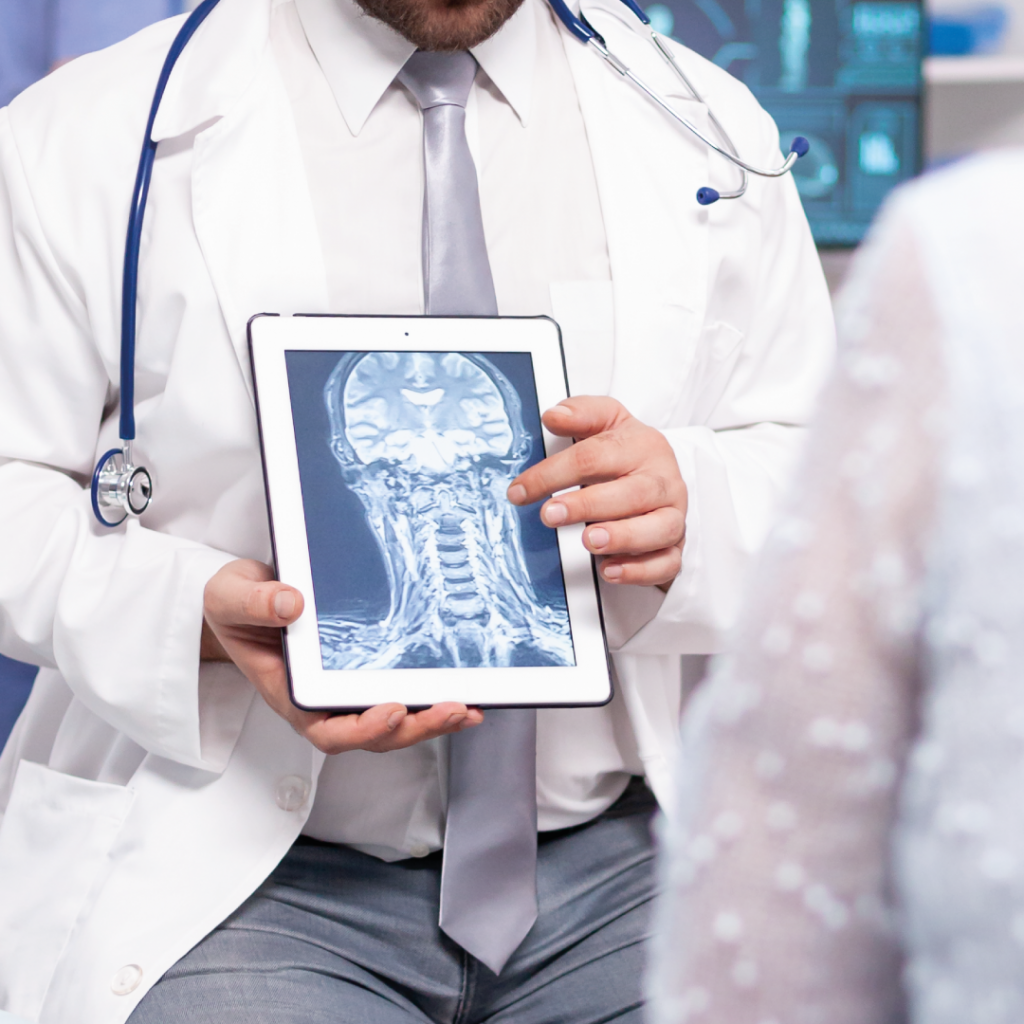
When is Reconstructive Microsurgery Needed?
Microsurgical reconstruction may be recommended for:
• Oral cavity cancer surgery
• Mandibular (jaw) reconstruction
• Tongue reconstruction
• Skin cancer removal with large defects
• Salivary gland tumour surgery
• Trauma affecting the face or neck
• Previous surgery requiring corrective reconstruction
Each treatment plan is tailored to the individual patient’s anatomy, diagnosis and recovery goals.
Benefits of Microsurgical Reconstruction
Reconstructive microsurgery offers several advantages in complex head and neck cases:
• Restoration of speech and swallowing
• Preservation of facial symmetry
• Improved aesthetic outcomes
• Enhanced healing and blood supply
• Reduced long-term functional deficits
• Durable, long-term reconstruction
This approach represents the gold standard in modern head and neck surgical care.
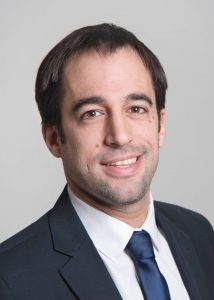
Mr. Axel Sahovaler
Axel has a unique combination of training and practice in North America, working in very high-volume academic head and neck surgery centers. He has since moved to London, where he has formed a team with Professor Mark McGurk, perfecting minimally invasive techniques in salivary gland surgery. His independent practice is at London Bridge Hospital and his NHS base is at University College London Hospital where his research and teaching take place.
The Surgical Process
Pre-operative Planning
Your consultant will conduct a detailed assessment including imaging and multidisciplinary planning. Surgical mapping ensures precise reconstruction tailored to your needs.
During Surgery
The cancer or affected tissue is removed. A free flap — often from the forearm, thigh or fibula (leg bone) — is harvested and transplanted.
Under microscopic magnification, blood vessels are carefully reconnected to restore circulation.
Surgery may take several hours depending on complexity.
Recovery
Patients are closely monitored in the immediate post-operative period to ensure flap viability. Hospital stay varies but is typically several days.
Long-term follow-up supports speech, swallowing and rehabilitation.
For more information and enquiries
Reconstructive Microsurgery and Head & Neck Cancer Treatment
In many cases, reconstruction is performed at the same time as cancer removal.
Immediate reconstruction offers significant benefits:
• Shorter overall treatment timeline
• Improved cosmetic and functional outcomes
• Reduced psychological impact
• Fewer total surgical procedures
Our London-based consultant works closely with oncology teams to coordinate comprehensive cancer care.
Why Choose Axel Head and Neck in London?
Reconstructive microsurgery demands exceptional precision and specialist training.
Mr Axel Sahovaler offers:
• Fellowship training in head and neck oncologic reconstruction
• Expertise in free flap microsurgery
• Personalised, consultant-led care
• Access to leading private hospitals in London
• Multidisciplinary cancer treatment collaboration
• Clear communication and compassionate support
Patients benefit from both surgical expertise and a personalised approach throughout their treatment journey.
Patient Experience and Testimonials
Many patients come to us with complex head and neck problems, and their feedback highlights our commitment to compassionate care and excellent outcomes. Patients consistently describe the reassurance, clear treatment explanations and personalised attention they receive throughout their surgical journey.
Parotid & Neck Cancer Surgery - Full Facial Nerve Preservation
JB
London, UK
Life-Changing Support & Restored Hope
MB
London, UK
Oral Cancer Surgery for Our Son
IH & KH
London, UK
Mandibular Reconstruction - Family Testimonial
DK
London, UK
Compassionate Care Before & After Surgery
SS
London, UK
Surgical Oncologist – Precision, Reassurance & Excellent Outcomes
DH
London, UK
Book a Consultation for Reconstructive Microsurgery in London
If you require specialist reconstructive microsurgery treatment in London following head and neck cancer or complex surgery, we are here to guide you.
Contact Axel Head and Neck today to arrange a private consultation with an experienced consultant head and neck surgeon.
Precision reconstruction. Restored function. Expert care.
Explore Our Specialist Head and Neck Treatments in London
At Axel Head and Neck, we provide a comprehensive range of specialist head and neck treatments in London, delivered by an experienced consultant surgeon with advanced training in oncology and reconstructive surgery.
Our related treatment pages include:
Head and Neck Surgery
Comprehensive surgical treatment for head and neck cancer, neck lumps, salivary gland disorders and complex reconstructive needs. Learn more about our specialist consultant-led surgical care in London.
Sentinel Lymph Node Biopsy
A minimally invasive procedure used in early head and neck cancer staging to assess lymph node spread and guide further treatment decisions.
Reconstructive Microsurgery
Advanced free flap reconstruction for complex head and neck defects following cancer surgery or trauma, restoring function and appearance.
Mandibular Reconstruction
Specialist jaw reconstruction surgery to restore speech, chewing and facial symmetry after mandibular tumour removal or bone loss.
Oral Cavity Lesions
Expert assessment, biopsy and treatment of mouth ulcers, leukoplakia and early oral cancer by a London head and neck consultant.
Parotid Tumour Treatment
Specialist diagnosis and parotidectomy surgery for benign and malignant salivary gland tumours, with careful facial nerve preservation.
Frequently Asked Questions
What is a free flap in reconstructive microsurgery?
A free flap is tissue taken from one part of the body — including skin, muscle or bone — and transplanted to another area. The blood vessels are reconnected under a microscope to restore circulation and ensure successful healing.
How long does reconstructive microsurgery take?
Surgery duration varies depending on complexity but often takes between 6 to 12 hours. Your consultant will provide a personalised estimate during your consultation.
Is reconstructive microsurgery safe?
When performed by an experienced consultant microsurgeon in a specialist London hospital, reconstructive microsurgery is highly safe and effective. As with all surgery, risks will be discussed in detail beforehand.
How long is recovery after microsurgical reconstruction?
Hospital stay is typically 7–10 days depending on the procedure. Full recovery may take several weeks, with additional rehabilitation for speech or swallowing if required.
Will reconstructive surgery restore normal appearance?
The aim is to restore both function and appearance as closely as possible. While no surgery can guarantee identical pre-operative appearance, modern microsurgical techniques achieve excellent functional and cosmetic outcomes.
Is microsurgery always required after head and neck cancer surgery?
Not all patients require microsurgical reconstruction. Smaller tumours may not need complex reconstruction. Your consultant will recommend the most appropriate treatment based on tumour size and location.