
What Is Mandibular Reconstruction?
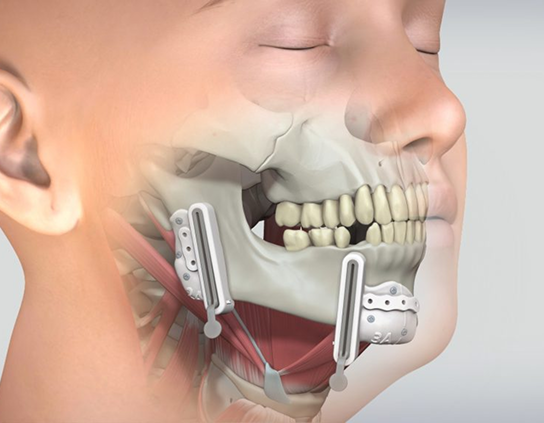
Mandibular reconstruction is a surgical procedure used to rebuild the lower jaw after part or all of it has been removed or damaged. It is most commonly required following cancer surgery, significant trauma, or severe infection affecting the mandible.
The mandible plays a vital role in chewing, speaking, swallowing, and maintaining facial structure. When it is removed or compromised, reconstruction is essential not only for appearance but also for restoring core functions and overall quality of life. In the UK, head and neck cancers account for around 12,000 new cases each year, and advanced cases may require jaw resection followed by reconstruction.
Why Is Mandibular Reconstruction Needed?
Mandibular reconstruction is required when disease or injury has caused structural damage that cannot be managed conservatively. The most common indication is removal of a tumour involving the jawbone.
Cancer surgery often prioritises complete tumour removal to reduce recurrence risk. In some cases, this means removing a section of the mandible. Reconstruction restores jaw continuity, facial symmetry, and the ability to chew and speak effectively. It may also be necessary following trauma, osteonecrosis of the jaw, or severe infection. The overall aim is to achieve disease control while preserving long-term function.
How Is Mandibular Reconstruction Performed?
Mandibular reconstruction is most commonly performed using reconstructive microsurgery and bone transfer. This technique allows surgeons to rebuild the jaw using bone from another part of the body, reconnecting blood vessels under high magnification to ensure survival of the transferred tissue.
The most widely used approach is a free flap reconstruction, often using bone from the fibula in the lower leg. The fibula provides strong, straight bone suitable for shaping into a new jaw and for future dental rehabilitation. Free flap success rates in experienced head and neck centres exceed 95%. Careful surgical planning ensures that both the reconstructed jaw and donor site heal safely.
What Are the Benefits and Risks of Mandibular Reconstruction?
Mandibular reconstruction restores jaw stability, facial contour, and essential functions such as eating and speaking. It also enables dental rehabilitation in many cases, including placement of implants to improve chewing and long-term oral function.
Because this is a major procedure, it carries risks. Potential complications include infection, bleeding, flap failure, nerve injury, or delayed healing. Temporary numbness is relatively common, particularly in the lower lip or chin. However, outcomes are generally very good when surgery is performed in specialist centres with coordinated multidisciplinary care.
What Is Recovery Like and Who Is Suitable For Mandibular Reconstruction?
Recovery after mandibular reconstruction is gradual. Hospital stays are longer than with minor surgery, and patients are closely monitored in the early post-operative period to ensure the reconstructed tissue remains healthy.
Swelling and stiffness improve over time, and speech or swallowing therapy may be required. Most recovery occurs over several months. Suitability for surgery depends on overall health, smoking status, and the underlying condition. A multidisciplinary team approach ensures that the benefits of reconstruction outweigh the risks and that treatment is tailored to individual needs.
Frequently Asked Questions About Mandibular Reconstruction
Is mandibular reconstruction a major operation?
Yes. It is a complex procedure often lasting several hours and requiring specialist microsurgical expertise.
How successful is jaw reconstruction?
Free flap success rates exceed 95% in experienced centres, although individual outcomes depend on overall health and surgical complexity.
Will I be able to eat normally again?
Most patients regain the ability to eat a modified or near-normal diet. Dental rehabilitation may further improve chewing function.
How long does recovery take?
Initial recovery takes several weeks, but functional improvement continues over several months with rehabilitation and follow-up care.