
What Is Reconstructive Microsurgery?
Reconstructive microsurgery is a specialised surgical technique used to restore form and function by reconnecting tiny blood vessels and nerves under high magnification. It is most commonly used after cancer surgery, trauma, or complex tissue loss where standard reconstruction is not sufficient.
Microsurgery allows surgeons to transfer tissue from one part of the body to another and reconnect it precisely, enabling the tissue to survive and function in its new location. In head and neck surgery, it plays a vital role in restoring appearance, speech, swallowing, and overall quality of life. Free flap reconstruction success rates in experienced centres exceed 95%, reflecting the reliability of modern microsurgical techniques.
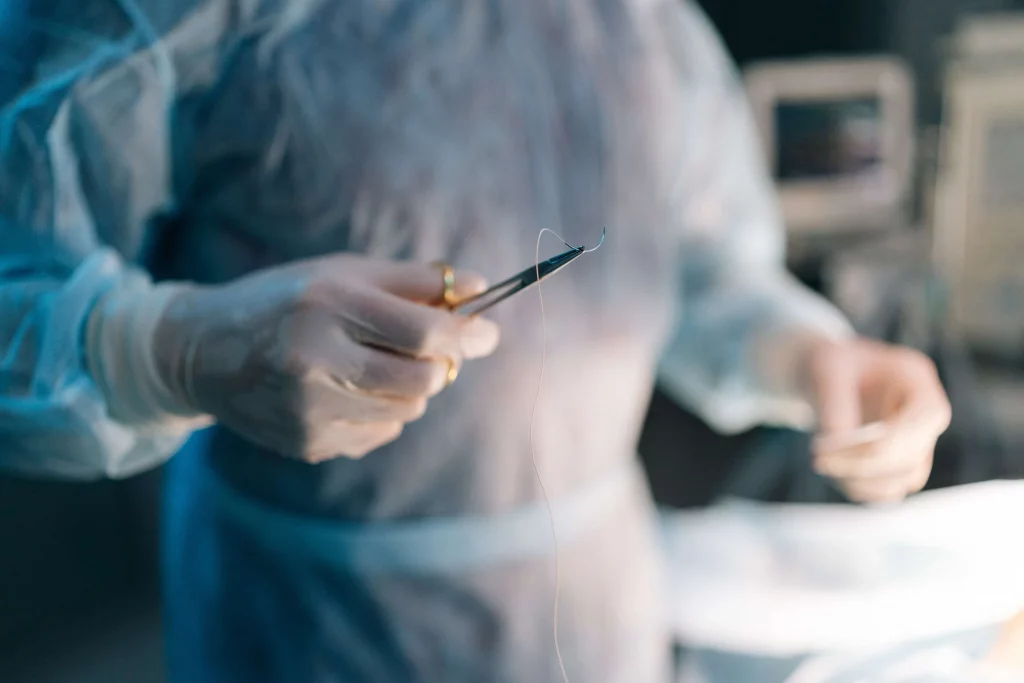
What Makes Microsurgery Different From Standard Surgery?
Microsurgery differs from standard surgery because it involves operating on structures too small to be seen clearly with the naked eye. Blood vessels and nerves may measure only 1–3 millimetres in diameter.
Using an operating microscope and highly specialised instruments, surgeons reconnect these delicate structures with exceptional precision. This allows complex reconstruction while preserving surrounding tissue and restoring critical functions. The ability to re-establish blood flow to transferred tissue is what makes microsurgery possible and distinguishes it from traditional reconstructive approaches.
When Is Reconstructive Microsurgery Used?
Reconstructive microsurgery is used when tissue loss cannot be repaired using simpler methods. It is frequently required after major head and neck cancer surgery, particularly when tumours must be removed with clear margins to ensure effective treatment.
Head and neck cancers account for around 12,000 new cases per year in the UK, and many advanced cases require complex reconstruction. Microsurgery may also be used after severe trauma, infection, or previous surgical failure. The aim is not only to close a defect, but to restore appearance, speech, swallowing, and breathing as closely as possible to normal.
How Does Reconstructive Microsurgery Work?
Reconstructive microsurgery works by transferring healthy tissue, known as a free flap, from one area of the body to another. This tissue may include skin, muscle, bone, or a combination, depending on the reconstructive need.
Once the tissue is moved, its tiny blood vessels are carefully connected to vessels in the recipient site using microsutures finer than a human hair. When blood flow is restored, the transferred tissue can survive and integrate. Careful planning ensures the donor site heals well and long-term function is preserved.
What Are the Risks and Recovery Expectations of Reconstructive Microsurgery?
Reconstructive microsurgery is a major procedure and carries risks related to both surgery and anaesthesia. Potential complications include bleeding, infection, delayed healing, or flap failure. However, flap survival rates are high in specialist centres, and patients are closely monitored in the early post-operative period to detect any concerns promptly.
Hospital stays are typically longer than for minor surgery. Swelling and stiffness gradually improve over weeks, and rehabilitation such as speech or swallowing therapy may be required. Recovery is progressive, and long-term follow-up ensures both function and appearance continue to improve.
Frequently Asked Questions About Reconstructive Microsurgery
Is reconstructive microsurgery safe?
Yes. In experienced centres, free flap success rates exceed 95%, although individual risk depends on overall health and surgical complexity.
How long does microsurgery take?
These procedures can last several hours due to the precision required to reconnect small blood vessels and nerves.
Will I have visible scars?
Scars are expected at both the reconstruction and donor sites, but surgeons aim to place incisions carefully to optimise healing and cosmetic outcomes.
Who is suitable for microsurgery?
Suitability depends on overall health, smoking status, and the nature of the condition being treated. Careful assessment ensures benefits outweigh risks.